
Blood Ring In Egg
What a blood ring usually means and how to avoid confusing it with normal veins.
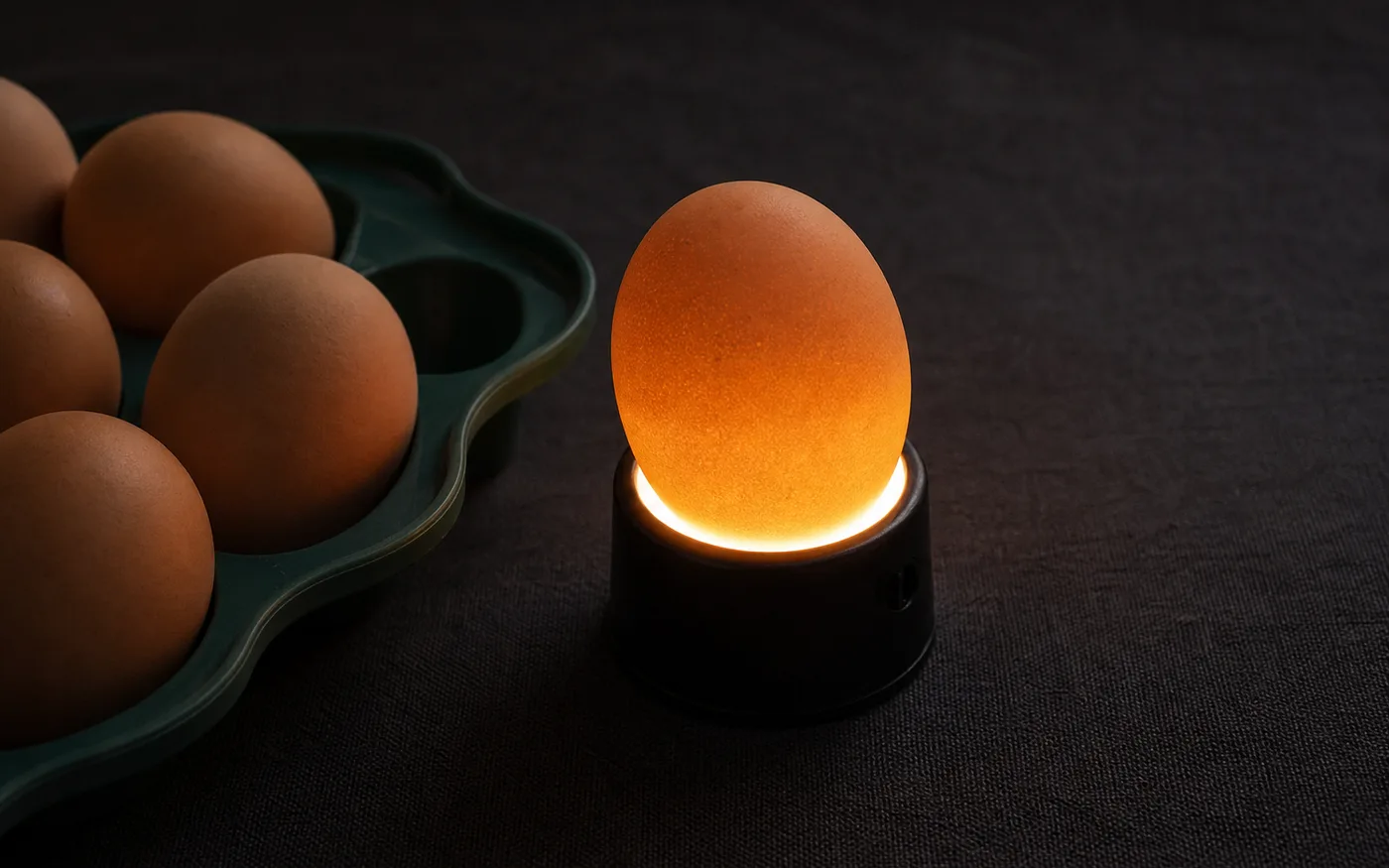
Show observation through the shell without graphic detail.
The first candling has raised a question: is this life, loss, or uncertainty?
Read Candling GuideQuick Answer
A blood ring usually means early embryo death, but beginners should confirm with a careful second look because normal early veins can be mistaken for trouble. If you are unsure, mark the egg with a pencil, leave it in the incubator, and candle again in 3 to 4 days; remove it only if veining recedes and it remains dark and structureless.
What matters most
What this page helps you decide
This candling decision guide helps you decide when to remove an egg from the incubator because of early embryo mortality and when to keep it for further observation. The decision is choosing between discarding a suspected dead egg to prevent contamination or returning it to the incubator for a follow-up check.
- Choose to discard the egg immediately if it emits a foul odor, has fluid leaking through the shell, or is weeping.
- Choose to mark and return the egg if a blood ring is suspected but veining is still partially visible or early (Day 5–7).
- Choose to discard the egg on Day 14 if it has no branching veins and shows only a settled, dark red ring of blood.
Visual Differences: Healthy vs. Blood Ring
Identifying early embryo mortality requires recognizing the difference between active circulatory networks and deteriorating blood structures:
- Healthy Embryo (Day 7): A dark center (embryo) resembling a spider, with red blood vessels branching out in all directions. A pulsing heartbeat may be visible under a strong light.
- Blood Ring (Early Death): A thick, circular red band wrapped around the inside of the shell, often without a dark embryo spot, or with a tiny dark dot that floats freely without veins.
- Clear Egg (Infertile/Pre-Incubation Quit): The yolk looks yellow and clear, without any red lines, veining, or dark spots.
Step-by-Step Candling Audit Protocol
Follow this sequence when reviewing eggs during your Day 7 and Day 14 candling checks to manage dead eggs safely:
- Step 1: Perform candling in a completely dark room. Let your eyes adapt for 2 minutes.
- Step 2: Inspect each egg quickly to avoid letting it cool down below 90 F (32 C).
- Step 3: If you spot a red ring with no branching veins, mark the egg with a soft pencil by drawing a question mark.
- Step 4: Place the marked eggs back in the center of the incubator, away from hot or cold spots.
- Step 5: Recheck the marked eggs on Day 10 or Day 14. If veins have vanished and the ring is darker, remove the egg and discard it. If veins have expanded, it was a healthy egg.
Common Mistakes and Parameters to Log
Avoid premature discarding and log early quits to track breeding or handling issues.
- Mistake: Throwing away dark-shelled eggs (like Marans or Welsummers) on Day 7 because development is hard to see.
- Mistake: Leaving cracked or leaking eggs in the incubator, allowing bacteria to multiply and contaminate the entire batch.
- Parameter to Log: The total count of blood rings identified on Day 7.
- Parameter to Log: Egg source (shipped eggs have a significantly higher rate of blood rings due to vibrations).
- Parameter to Log: Incubation temperature averages during the first 72 hours.
Reviewed against extension and veterinary sources. Adjust to your incubator manual and local conditions.