
Late Embryo Death
Common causes of embryo loss near hatch and what to review before the next batch.
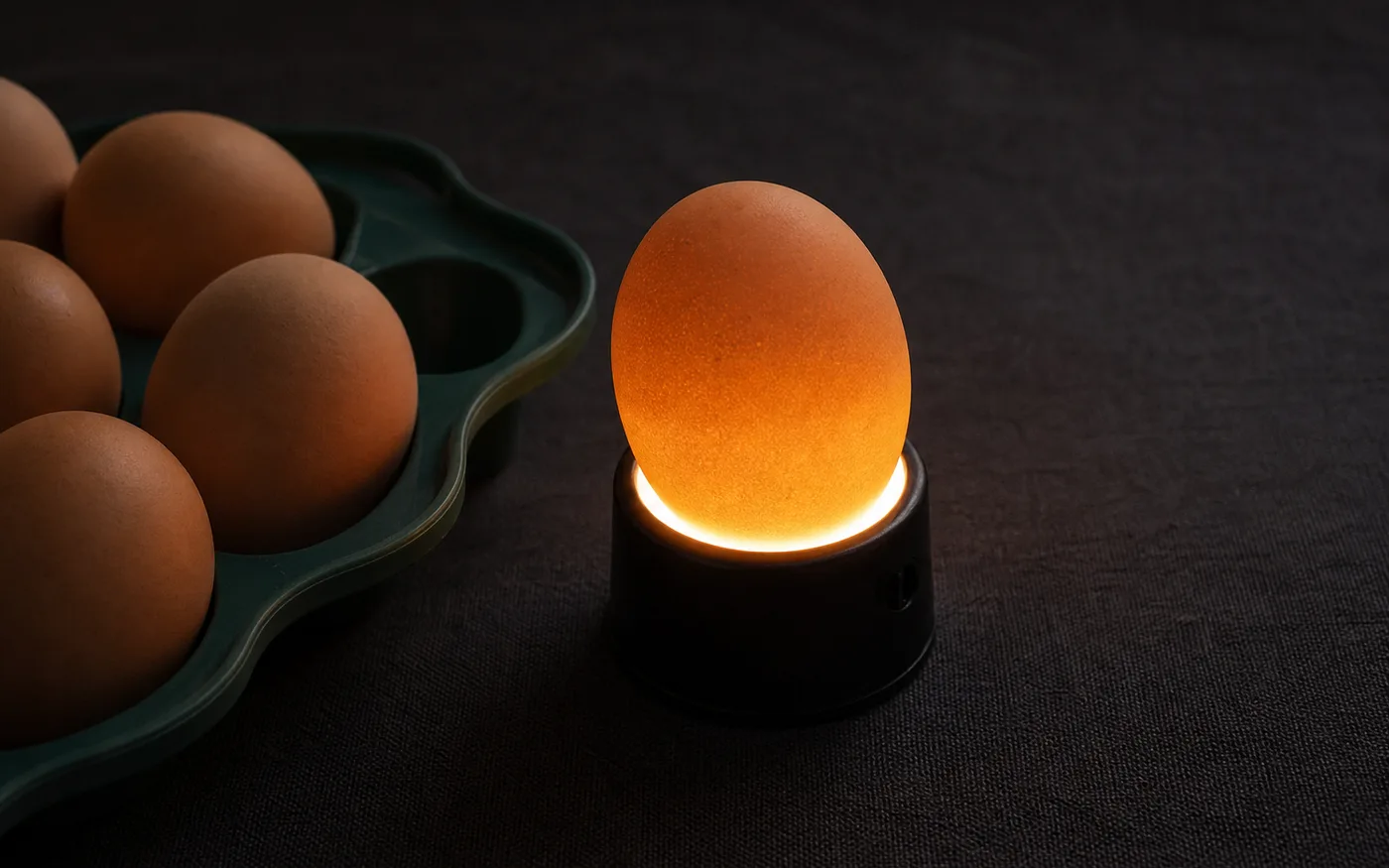
Show careful inspection before changing anything.
The final-stage review, when the shell can show whether the problem was timing, position, moisture, air, or a broader flock issue.
Calculate Hatch RateQuick Answer
Late embryo death (dead-in-shell after Day 18) means the chick developed for much of incubation but did not complete hatch. Review temperature pattern, ventilation, turning stop date, humidity and air-cell history, egg handling, and whether the losses affected one egg or the whole batch. Perform a breakout analysis to identify positioning or fluid issues.
What matters most
What this page helps you decide
This late-term loss review guide helps you decide how to adjust your incubator setup to prevent fully formed chicks from dying in the shell. The decision is choosing between modifying your lockdown humidity levels, opening ventilation pathways, correcting egg turning timelines, or auditing breeder flock nutrition.
- Choose to open incubator vents completely during lockdown if chicks were fully formed but never pipped.
- Choose to lower Days 1–17 humidity if unhatched chicks are wet, swollen, and surrounded by excess sticky fluid (drowned).
- Choose to increase egg turning frequency in the first 14 days if chicks are malpositioned (e.g., head under left wing or at the small end of the egg).
Late-Term Embryo Position Diagnostics
A healthy embryo must position itself correctly during the final days of incubation to successfully pip the air cell and zip the shell. Open unhatched eggs carefully to audit their final orientation:
- Normal Positioning: The chick's head is under its right wing, with the beak pointing directly towards the air cell at the large end of the egg. The feet are drawn up towards the head.
- Malposition I (Head under left wing): Often caused by poor turning frequency in early incubation, high incubation temperatures, or eggs stored incorrect point-up.
- Malposition II (Head at small end): The chick is oriented backwards. Strongly linked to setting eggs small-end-up in the incubator tray.
- Unabsorbed Yolk: Yolk sac is fully or partially outside the abdomen. Indicates a late temperature spike, low average temperatures slowing development, or premature breakout assistance.
Step-by-Step Lockdown Audit Protocol
Follow this diagnostic sequence to identify environmental causes of late embryo death:
- Step 1: Check the exact day turning stopped. Confirm it was precisely Day 18 for chickens.
- Step 2: Inspect incubator ventilation plugs. Vents must be opened wider as the hatch progresses because chicks consume 50 times more oxygen on Day 20 than on Day 1.
- Step 3: Measure final moisture loss. If air cells were too small on Day 18, chicks likely drowned during internal pipping due to excess fluid.
- Step 4: Check for late temperature spikes. Heat spikes above 103 F (39.4 C) on Days 18–21 cause rapid oxygen depletion and death.
Common Mistakes and Parameters to Log
Avoid ventilation restriction and document precise embryonic data to refine your hatching process.
- Mistake: Closing incubator vents to trap moisture. Oxygen deprivation is a leading cause of late-term embryo death.
- Mistake: Helping a chick hatch when the yolk sac is still unabsorbed, resulting in fatal bleeding.
- Parameter to Log: The percentage of late-term dead-in-shell chicks out of total fertile eggs.
- Parameter to Log: Position of the chick (Normal vs Malpositioned) for each unhatched egg.
- Parameter to Log: Ventilation setting (Fully Open, Half, or Closed) during lockdown.
Reviewed against extension and veterinary sources. Adjust to your incubator manual and local conditions.